Mastering Historic Window Repair Techniques for Window Restoration
Historic windows are more than just openings in a wall. They tell stories of craftsmanship and design from the past. Preserving these windows keeps the character and value of historic buildings intact. We will explore practical window restoration techniques that help maintain these important features.
Understanding Window Restoration Techniques
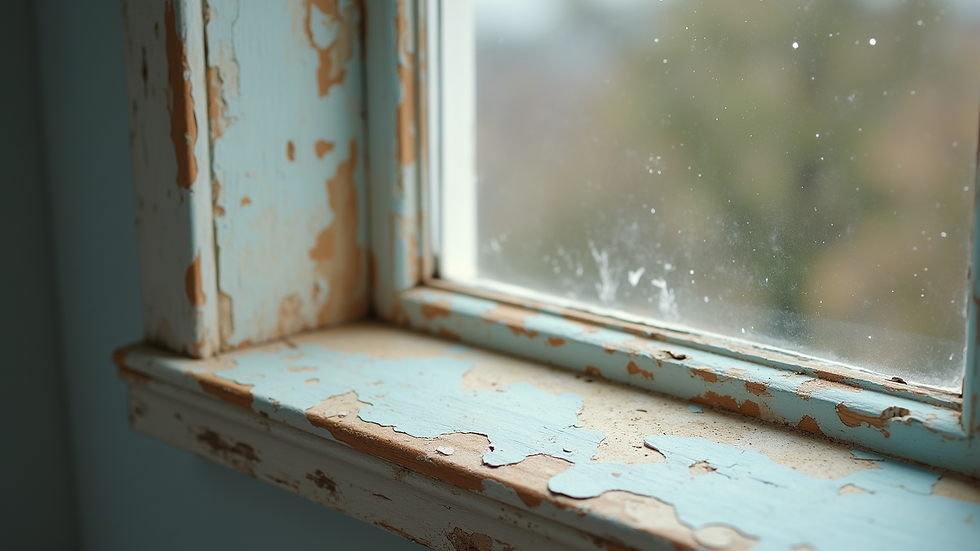
Window restoration techniques focus on repairing and preserving original window components. This approach avoids full replacement, which can diminish a building’s historic integrity. We start by assessing the condition of the window. Look for issues like rot, broken glass, failed glazing, and damaged hardware.
Common restoration steps include:
Removing old paint carefully to avoid damaging wood.
Repairing or replacing rotted wood with matching materials.
Reglazing windows with traditional putty.
Replacing broken glass with period-appropriate panes.
Restoring or upgrading hardware to function smoothly.
Each step requires patience and attention to detail. Using the right tools and materials is essential. For example, epoxy consolidants can strengthen wood without replacing it. Linseed oil-based paints protect wood while allowing it to breathe.

Tools and Materials for Effective Window Restoration
Having the right tools and materials makes restoration work more efficient and successful. Here are some essentials:
Hand tools: Scrapers, putty knives, chisels, and small saws.
Power tools: Low-speed rotary tools for paint removal, but used cautiously.
Wood fillers and epoxies: For repairing minor rot and cracks.
Glazing compounds: Traditional linseed oil-based putty for sealing glass.
Paints and primers: Breathable, oil-based products suited for historic wood.
Replacement glass: Single-pane glass matching the original thickness and texture.
Hardware: Period-appropriate locks, hinges, and sash cords.
We recommend testing materials on a small area first. This helps ensure compatibility and avoids damage. Safety gear like gloves, masks, and eye protection is also important.
Step-by-Step Window Repair Process
We follow a clear process to restore historic windows effectively:
Documentation: Photograph and note the window’s condition before starting.
Paint removal: Use gentle methods to strip paint without harming wood.
Wood repair: Remove rotten sections and fill or replace with matching wood.
Sash repair: Fix joints, replace missing parts, and ensure sash moves freely.
Glazing: Remove old putty, clean glass, and apply new glazing compound.
Hardware restoration: Clean, lubricate, or replace hardware as needed.
Painting: Prime and paint with breathable, oil-based products.
This process preserves as much original material as possible. It also improves energy efficiency and functionality without compromising historic value.

Common Challenges and How to Overcome Them
Restoring historic windows comes with challenges. We often face:
Severe wood rot: When damage is extensive, carefully cut out affected areas and splice in new wood. Use epoxy consolidants to stabilize borderline rot.
Lead paint: Many old windows have lead-based paint. Use proper safety measures and disposal methods.
Broken glass: Finding matching glass can be difficult. Seek specialty suppliers or consider custom orders.
Hardware issues: Original hardware may be missing or broken. Salvage parts when possible or find period-appropriate replacements.
Energy efficiency: Historic windows are not as efficient as modern ones. Weatherstripping and storm windows can improve performance without altering appearance.
Patience and skill are key. When in doubt, consult preservation guidelines or professionals.
Benefits of Proper Window Restoration
Restoring historic windows offers many benefits:
Preserves architectural character: Maintains the original look and feel of the building.
Saves money: Repairing is often less expensive than full replacement.
Improves energy efficiency: Proper sealing and weatherstripping reduce drafts.
Increases property value: Well-maintained historic features attract buyers and appraisers.
Supports sustainability: Reusing materials reduces waste and environmental impact.
We encourage property owners to invest in quality restoration. It protects their investment and honors the building’s history.
Taking the Next Step in Window Care
Mastering these window restoration techniques helps us protect historic windows for future generations. We recommend regular inspections and maintenance to catch issues early. Clean windows gently, check for loose glazing, and lubricate hardware annually.
For complex repairs, seek expert advice. Skilled professionals understand the nuances of historic materials and methods. They can guide you through the process and ensure the best results.
If you want to learn more about historic window repair, consider reaching out to specialists who focus on preserving original windows. Their expertise can make a significant difference in your restoration project.
By applying these techniques, we keep historic windows functional and beautiful. This work honors the craftsmanship of the past and preserves the unique character of historic buildings.
Thank you for joining us in exploring these practical window restoration techniques. We hope this guide helps you approach your next project with confidence and care.

Comments