Steps for Window Restoration: A Guide to Preserving Historic Windows
Restoring historic windows is a careful process. It requires patience, attention to detail, and respect for the original craftsmanship. We want to keep the character and charm of old windows while making them functional and energy-efficient. This guide walks through the essential steps for window restoration. It is designed to help you understand the process and take action with confidence.
Understanding the Steps for Window Restoration
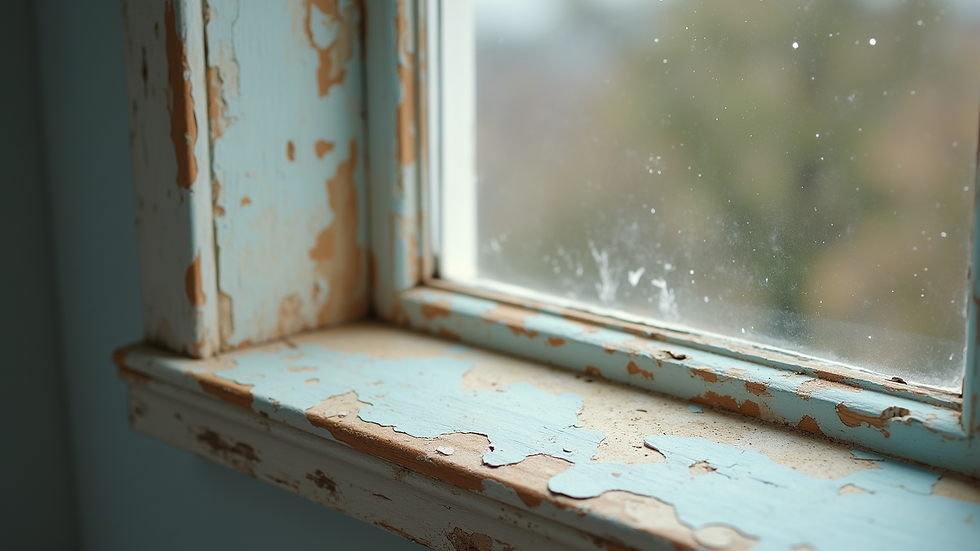
Before starting, we assess the condition of the windows. This helps us decide what needs repair and what can be preserved. We look for signs of rot, broken glass, damaged frames, and failing hardware. We also check for lead paint and other hazards.
Once we know the condition, we plan the restoration. The goal is to keep as much of the original material as possible. We avoid replacing parts unless absolutely necessary. This approach maintains the window’s historic value.
The main steps include:
Removing the window carefully.
Stripping old paint and finishes.
Repairing wood and other materials.
Replacing glass panes if needed.
Reassembling and repainting.
Installing weatherstripping for energy efficiency.
Each step requires specific tools and techniques. We will explain these in detail.

Removing and Preparing the Window
The first step is to remove the window sash from the frame. We do this gently to avoid damage. If the window is painted shut, we use a heat gun or chemical paint remover to loosen the paint. We avoid using excessive force.
After removal, we label each part. This helps during reassembly. We also take photos for reference.
Next, we strip the old paint. We use chemical strippers or heat guns. Sanding is done carefully to avoid removing wood. This step reveals any hidden damage.
We inspect the wood for rot or insect damage. Soft spots are marked for repair. We also check the glazing putty around the glass panes.
Repairing Wood and Replacing Glass
Wood repair is a critical step. We remove all rotten wood using chisels or a router. We fill small holes and cracks with epoxy wood filler. For larger damaged areas, we splice in new wood pieces that match the original.
We sand the repaired areas smooth. This ensures a good surface for painting.
If glass panes are broken or missing, we replace them with period-appropriate glass. We measure each pane carefully. We use glazing points to secure the glass and apply fresh glazing putty. This seals the glass and protects it from moisture.

Reassembling and Painting the Window
Once repairs are complete, we reassemble the window sash. We reinstall the glass panes and hardware. We check that the sash fits well in the frame and operates smoothly.
Painting is the final step. We use high-quality, breathable paint designed for wood. This protects the window from weather and allows moisture to escape. We apply at least two coats for durability.
We also install weatherstripping to improve energy efficiency. This reduces drafts while preserving the window’s historic look.
Maintaining Restored Windows for Longevity
Restoration is not a one-time task. Regular maintenance keeps windows in good condition. We recommend:
Inspecting windows annually for damage.
Cleaning glass and frames gently.
Touching up paint as needed.
Lubricating hardware to prevent rust.
Checking and replacing weatherstripping.
Proper maintenance extends the life of restored windows and preserves their historic value.
For those interested in professional help, historic window repair services can provide expert restoration tailored to your property’s needs.
Preserving History Through Careful Restoration
Restoring historic windows is a rewarding process. It protects the architectural heritage of a building. By following these steps, we ensure windows remain beautiful and functional for years to come. This work supports the character and value of historic properties across the Chicago region and beyond.
Taking the time to restore rather than replace windows honors the craftsmanship of the past. It also contributes to sustainability by reducing waste. With patience and care, we can keep these windows shining for future generations.

Comments